

This is the first blog of a 3 part series, written by NCF Charity Partner- Future Black Female- in recognition of Black Philanthropy Month.
Guest Blogger: Vera Odajiri, Future Black Female
As a Black woman, I've always thought that philanthropy wasn't something I could be a part of. I don't have a lot of money to donate, and I have just enough to get by without needing help. So, when I hear people talk about philanthropy, I usually don’t include myself in that conversation. But that's the wrong mindset. I’ve come to realize that I am, in fact, a philanthropist. Every month, I donate to my community church. It might not be much, but it matters. My contributions help keep the church running, support programs, and make a difference in people’s lives. That makes me a philanthropist, and I bet it makes you one too.
More In 2021 alone, Canadians donated over $11.8 billion to charitable organizations, with nearly 70% of this giving coming from individuals (Statista, 2024). That said, I've noticed that the traditional philanthropy approach often overlooks the younger generation's voices and needs. The people making donations are usually older (Statistics Canada, 2015), and while their intentions are good, they might not fully grasp the challenges faced by youth today. They might support causes that don’t align with the current issues we care about, like mental health, digital literacy, or affordable housing. This disconnect can result in funds being directed toward solutions that don't really address our most pressing needs.
If we don’t involve younger people in decision-making, we risk continuing the cycle of inequality. The lack of age and cultural diversity in leadership roles within charitable organizations makes this problem worse. A study showed that 78% of charitable leaders in Canada are white (Statistics Canada, 2019), which means there’s a significant lack of diverse perspectives. This can lead to a narrow focus on issues that don’t resonate with or fully support marginalized groups. Without leaders who bring varied cultural perspectives, philanthropy may not recognize or prioritize the challenges that different communities face. This lack of diversity at the top means that many voices, particularly those from marginalized or underrepresented communities, are left out of important conversations about where resources should go and how they can be used most effectively.
Decolonizing philanthropy means making donating more inclusive and ensuring that it's done in a way that truly benefits everyone. By sharing power, listening to marginalized voices, and working together, we can ensure that philanthropy serves the people it’s meant to help. This approach not only makes giving more effective but also more just, paving the way for a future where philanthropy is guided by the people it aims to uplift.
This Black Philanthropy Month is a time to recognize and celebrate the ways Black people give back to their communities. It’s a reminder that philanthropy isn’t just about money; it’s about time, effort, and care. We need to rethink what it means to give and start decolonizing philanthropy.
About the Author
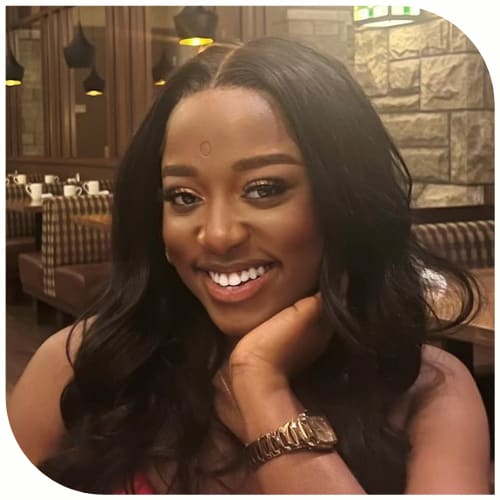
Vera Odajiri is the Admin Assistant/HR personnel at Future Black Female and a Co-op student at Brock University, where she studies Public Health. She is passionate about health equity, committed to amplifying marginalized voices and excited to contribute to the conversation on decolonizing philanthropy. In honor of Black Philanthropy Month, she aims to inspire others to recognize the power of community-driven change.