Niagara Pumphouse
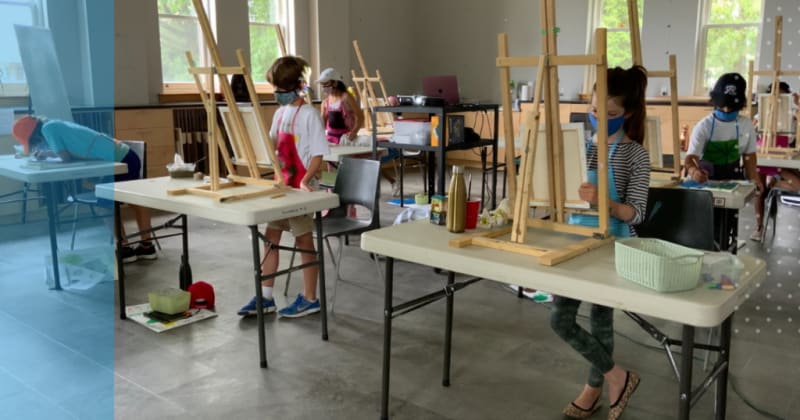
Magic happens when a paintbrush is put to canvas.


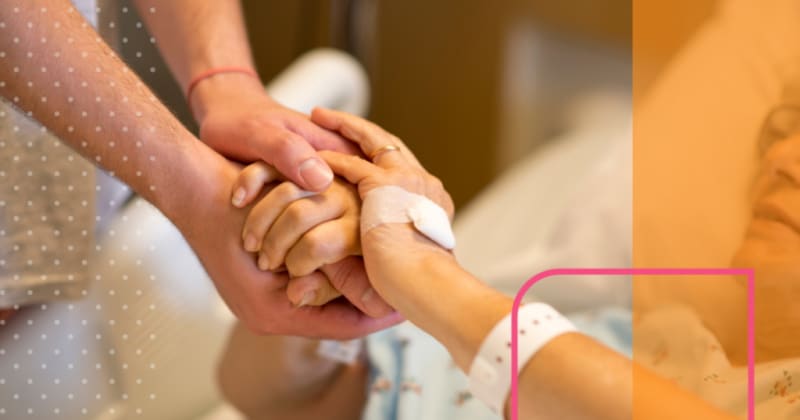
Niagara Health’s St. Catharines Site has never had an outbreak of any airborne illness.
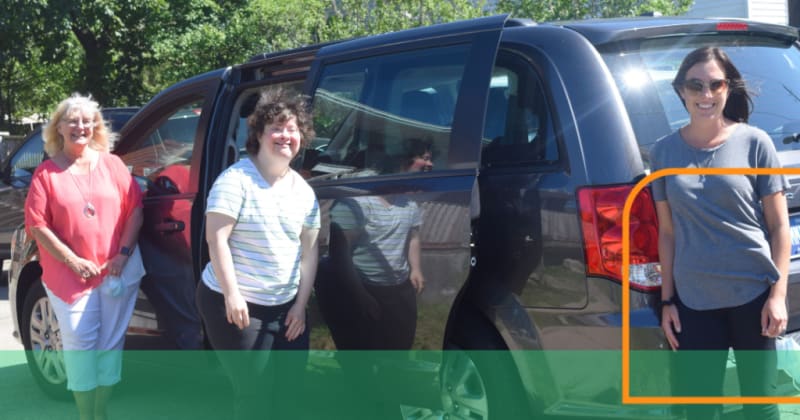
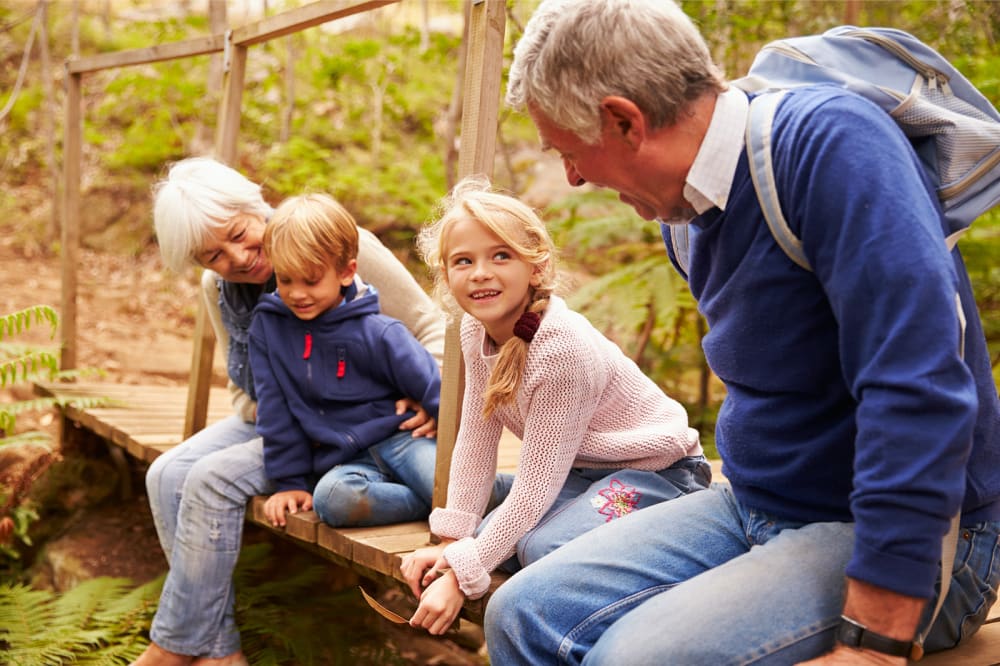
Beach days, regular hikes and daily walks used to be par for the course for many before the pandemic. During a global health crisis such outings took on new meaning and importance, especially for Community Living Fort Erie participants, who face barriers to community inclusion even when they’re not trying to keep safe from COVID-19.

When it became impossible to host a music festival during the pandemic, Bravo! Niagara turned its cancelled shows into a creative opportunity.

Summer camp is a rite of passage for many children in Niagara, and for caregiver children, this time away from home is even more precious to take a break from daily demands.

When the COVID-19 pandemic shuttered schools, restaurants, and businesses, it changed the way environmental groups do their work too.
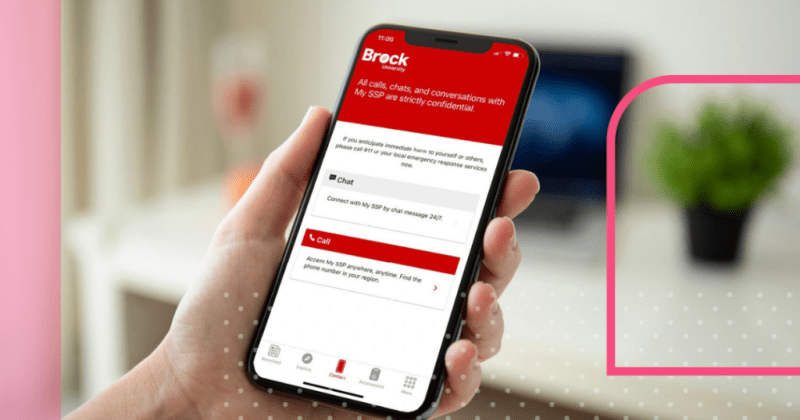
Adjusting to life at university comes with its own challenges for students. Throw a pandemic into the mix, which brings to a halt many of the rituals associated with post-secondary life, including living on campus and attending classes with peers, and the need for support becomes paramount.

A plan to make face-to-face emergency counsellors available to more Niagara teens paid off early when the pandemic hit.
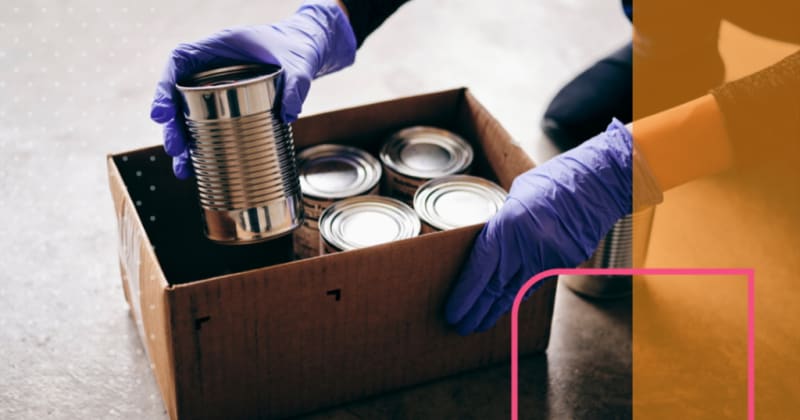
When the pandemic’s first wave took hold in Niagara, the role of local food banks became even more critical. The mandated shutdown of the economy forced many to rely on such assistance to get by.

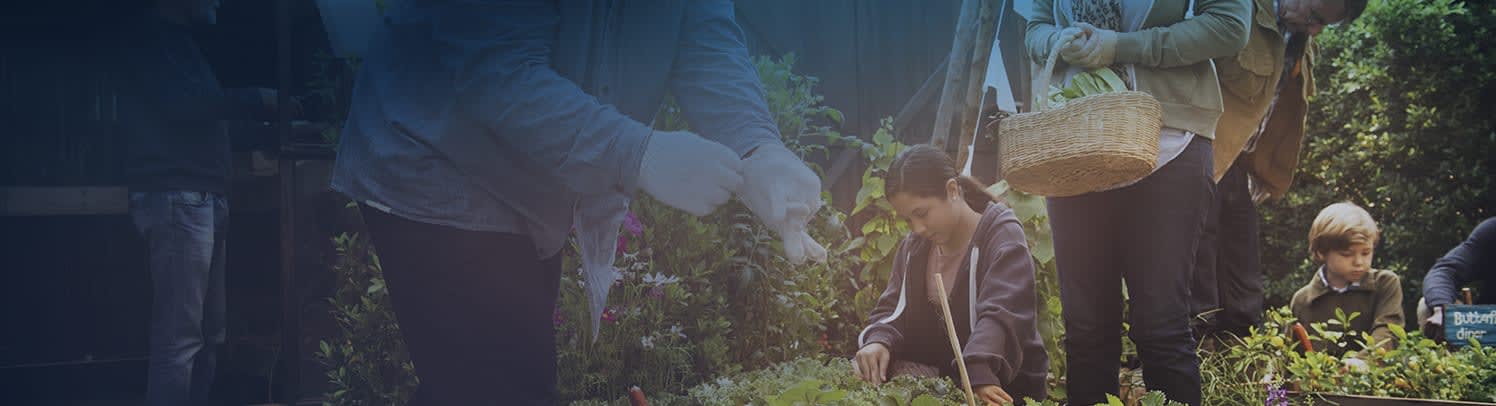
The Welland Public Library is a valuable resource, where you can learn to create a garden and grow your own food, even borrowing seeds to start.